What To Do When Someone Dies: A Step-by-Step Guide
The death of a loved one is an emotional and often overwhelming experience. Knowing what steps to take immediately afterward can help ease some of the stress during a difficult time. At Gaunts of Wollaston, we have supported families through every stage of this process, and we have put together this guide to help you know what to do when someone dies.
Step 1: Confirm the Death
If the death occurs at home, contact the GP or out-of-hours doctor to confirm the death. If it occurs in a hospital or care home, the staff will manage this step. In some cases, a coroner may need to be involved if the death was unexpected, sudden, or unexplained.
Step 2: Notify Close Family and Friends
Once the death has been confirmed, it’s important to inform close family members and trusted friends. This can be a difficult task, so you may ask someone you trust to help share the news.
Step 3: Contact a Funeral Director
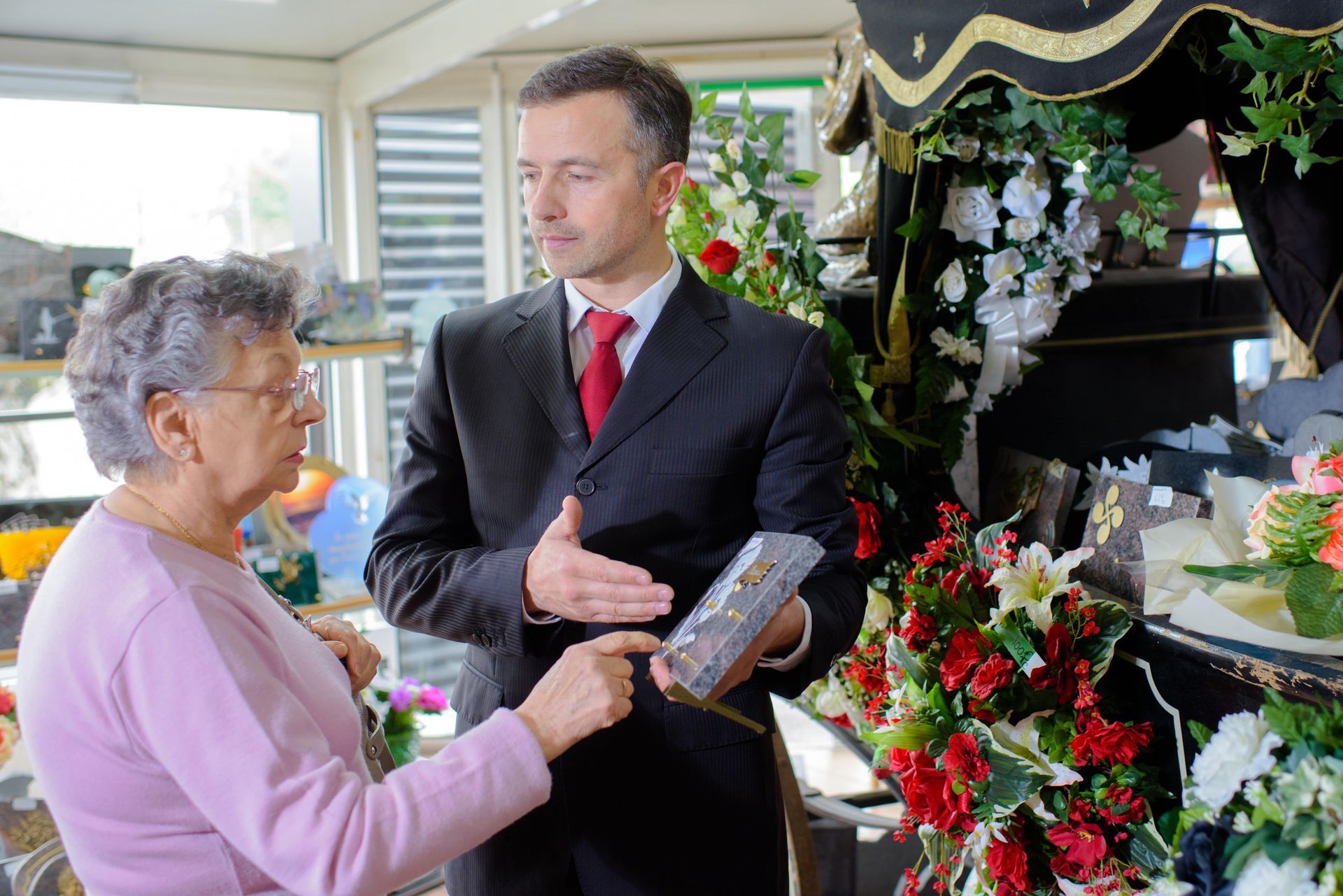
Engaging a professional funeral director early can help ease the burden on the family. A funeral director, like Gaunts of Wollaston, can guide you through the process, arrange transportation, and take care of necessary paperwork. They can also help you understand your options, including burial, cremation, or a direct cremation.
Step 4: Register the Death
In the UK, deaths must be registered with the local registry office. You will need the following information:
- Full name of the deceased
- Date and place of death
- Address
- NHS number if available
- Occupation
The registry office will issue a death certificate, which is essential for arranging the funeral and managing the estate.
Step 5: Decide on the Type of Funeral
Consider the wishes of the deceased, your family’s preferences, and cultural or religious traditions. Decisions will include:
- Burial or cremation
- Venue and date for the service
- Readings, music, and personal touches
- Flowers and announcements
Funeral directors can provide advice and options to help create a meaningful and personal service.
Step 6: Organise Legal and Financial Matters
After a death, there are several administrative tasks to consider:
- Accessing the deceased’s will and estate
- Notifying banks, insurers, and pension providers
- Claiming benefits or support if eligible
A funeral director can guide you on which documents are required for these steps.
Step 7: Arrange Support for Family Members
Grieving can be overwhelming, and everyone experiences it differently. Consider:
- Bereavement support services or counselling
- Support groups for children or family members
- Speaking openly about feelings within the family
At Gaunts of Wollaston, we also offer guidance and reassurance to families during this time.
Step 8: The Funeral Service
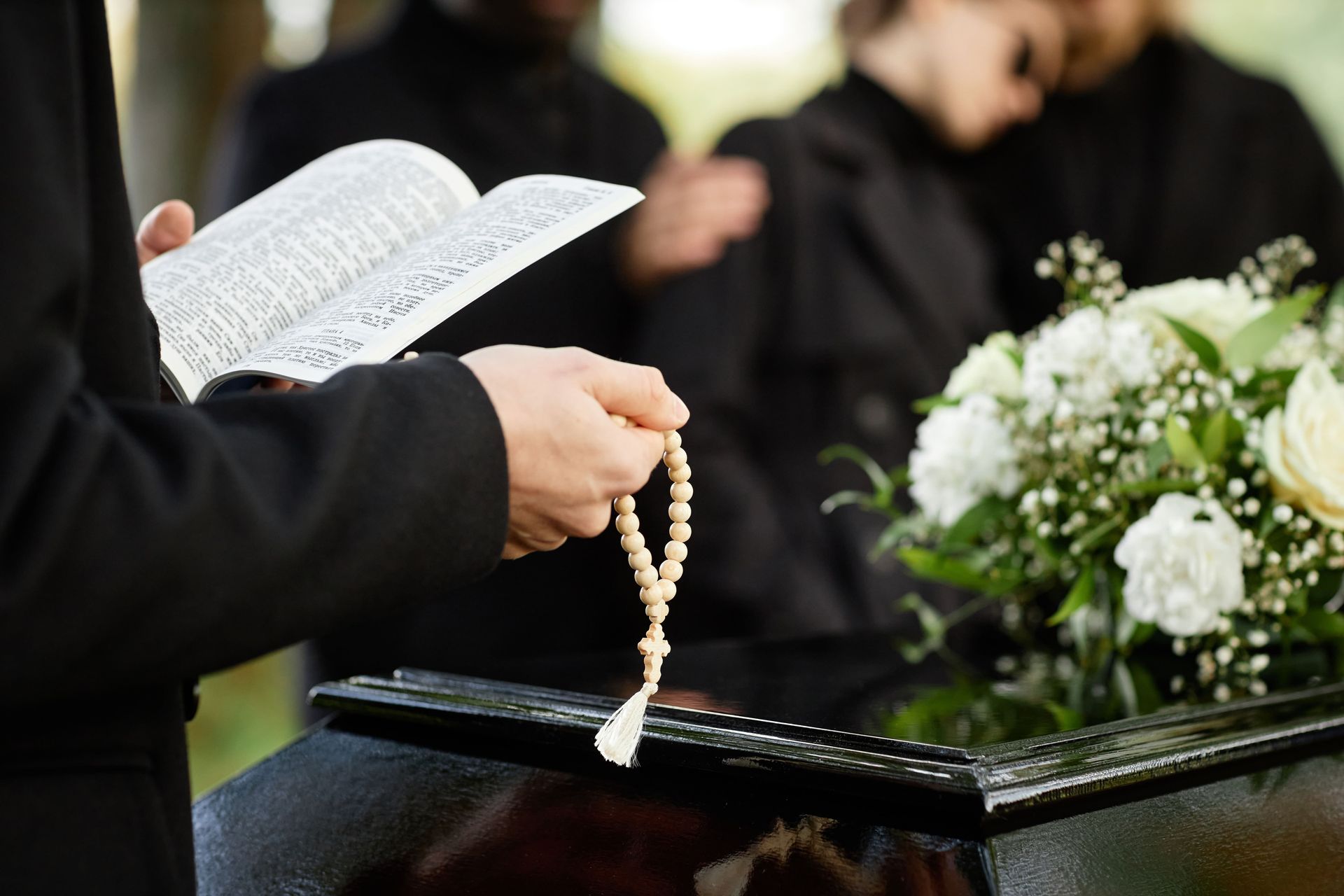
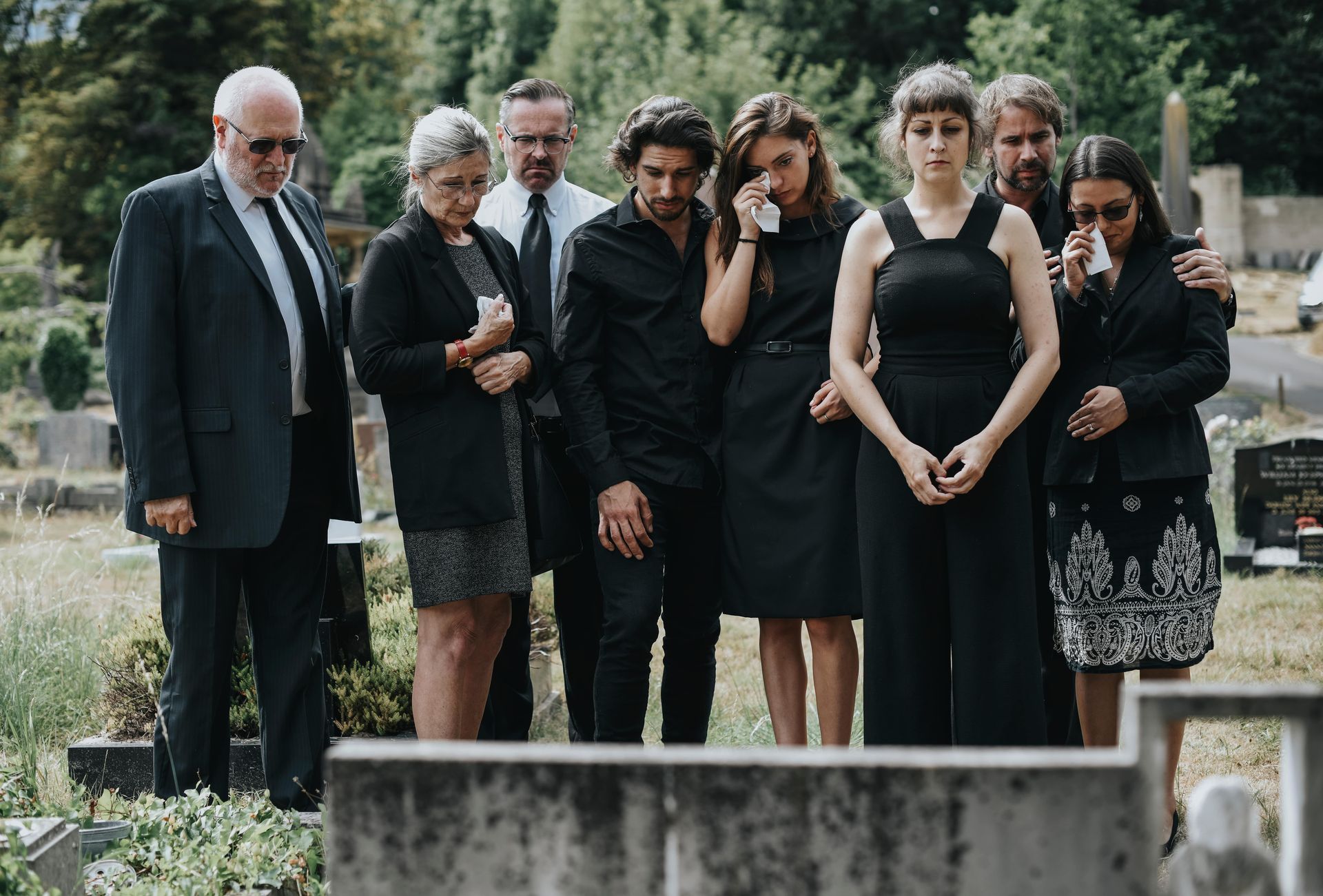
Once arrangements are in place, the funeral can take place. A funeral director will coordinate every aspect, ensuring the service is respectful, dignified, and reflective of the wishes of the deceased and family.
Final Thoughts
Knowing what to do when someone dies doesn’t take away the pain of loss, but having clear steps can help guide families through an otherwise overwhelming process. At Gaunts of Wollaston, we are here to support you, answer your questions, and manage the practicalities with care and compassion.