How to Plan a Funeral: A Step-by-Step Guide for Families
Losing someone close to you is one of life's most difficult experiences. When you're grieving, having to make important decisions about a funeral can feel overwhelming. While every funeral is unique, understanding the process can help make arranging a meaningful farewell a little easier.
At Gaunts of Wollaston, we have been supporting families across Stourbridge, Wollaston and the surrounding areas for over 125 years, providing compassionate guidance every step of the way. Whether you're arranging a funeral for the first time or simply want to understand what to expect, this guide will help you through the process.
1. Contact a Funeral Director
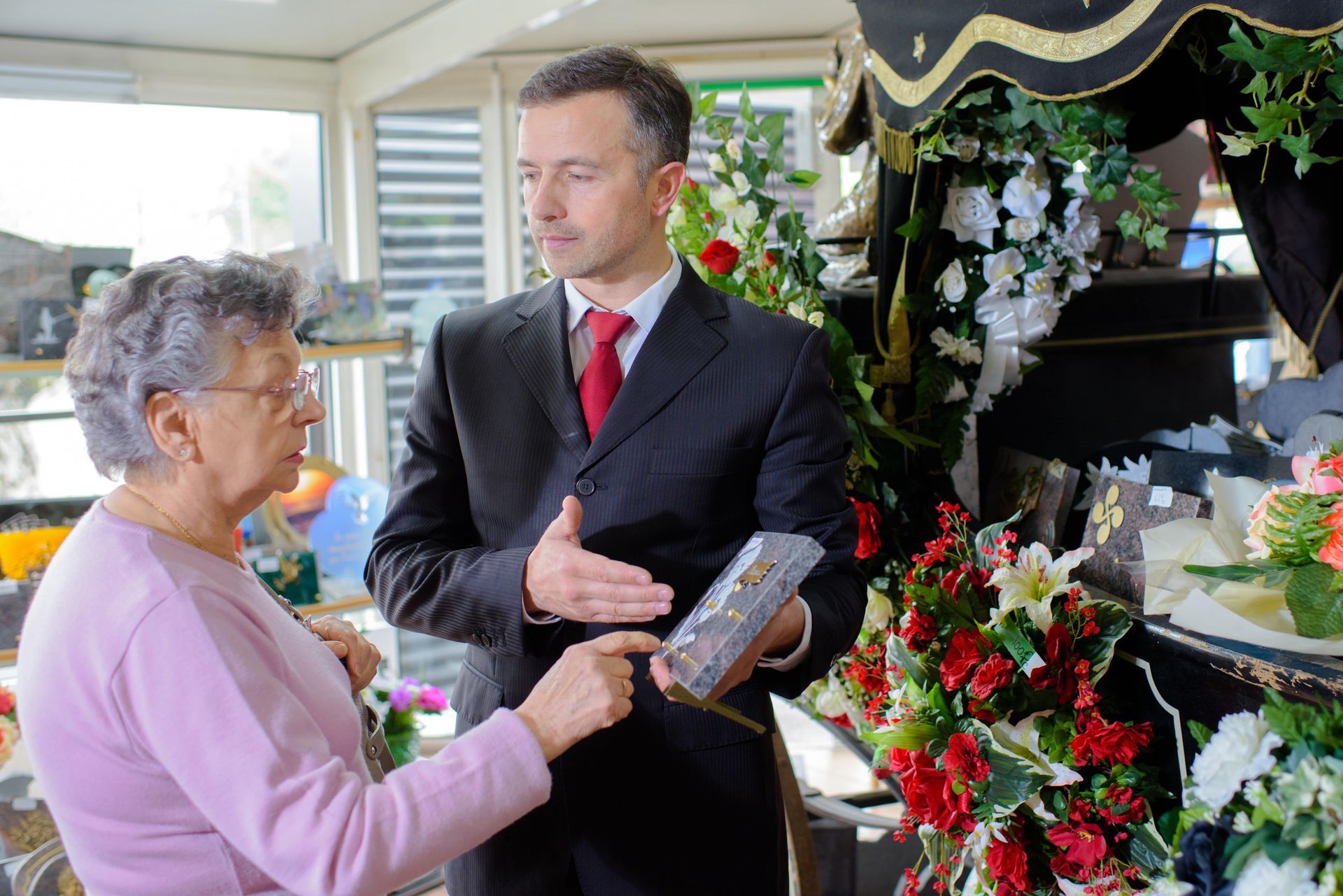
One of the first steps is choosing an experienced funeral director who can guide you through every stage of the arrangements.
A professional funeral director can help with:
- Bringing your loved one into their care
- Explaining the legal process
- Organising the funeral service
- Liaising with crematoriums, cemeteries, celebrants or clergy
- Coordinating transport, flowers and other arrangements
- Supporting you throughout the planning process
Having an experienced team by your side means you don't have to manage everything alone during an emotional time.
2. Register the Death
In England and Wales, a death usually needs to be registered within five days (unless the death has been referred to the Coroner).
You'll need to register the death before most funeral arrangements can be finalised. Once this has been completed, the relevant documentation can be provided to your chosen funeral director.
If you're unsure about the process, your funeral director can explain what paperwork is required and answer any questions you may have.
3. Decide Between Burial or Cremation
One of the biggest decisions is whether your loved one would have preferred burial or cremation.
When making this decision, consider:
- Their personal wishes
- Religious or cultural traditions
- Family preferences
- Any plans they may have made before their passing
If your loved one left instructions in a will or discussed their wishes with family members, these can help guide your decision.
4. Choose the Type of Funeral Service
Today's funerals are incredibly personal and can reflect the unique personality and life of the person being remembered.
Some common options include:
- Traditional religious funerals
- Non-religious or humanist ceremonies
- Celebration of Life services
- Graveside services
- Direct cremation followed by a memorial gathering
There is no right or wrong approach, what matters most is creating a service that feels meaningful to family and friends.
5. Personalise the Funeral
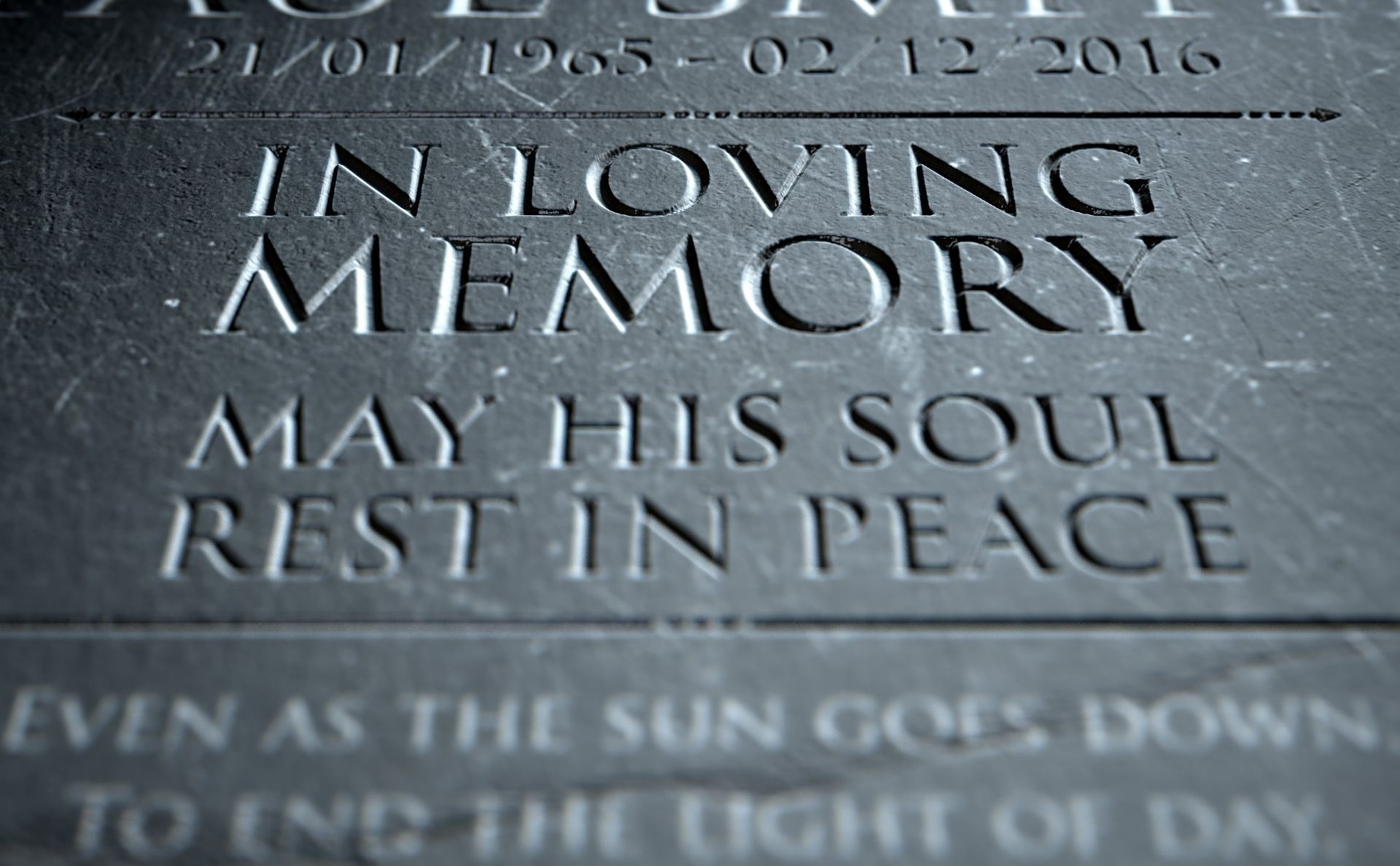
Adding personal touches can create a lasting tribute and celebrate a life well lived.
You may wish to consider:
- Favourite music or hymns
- Family photographs
- Personal readings or poems
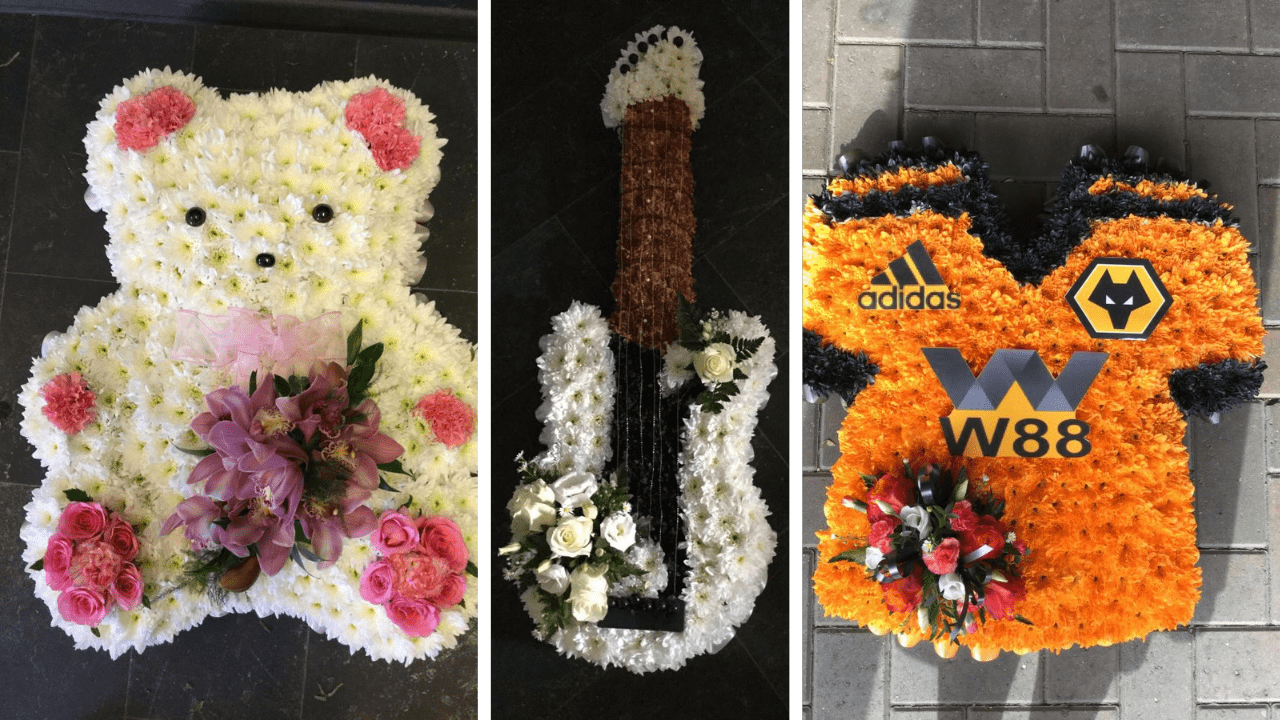
- Floral tributes
- A chosen coffin or casket
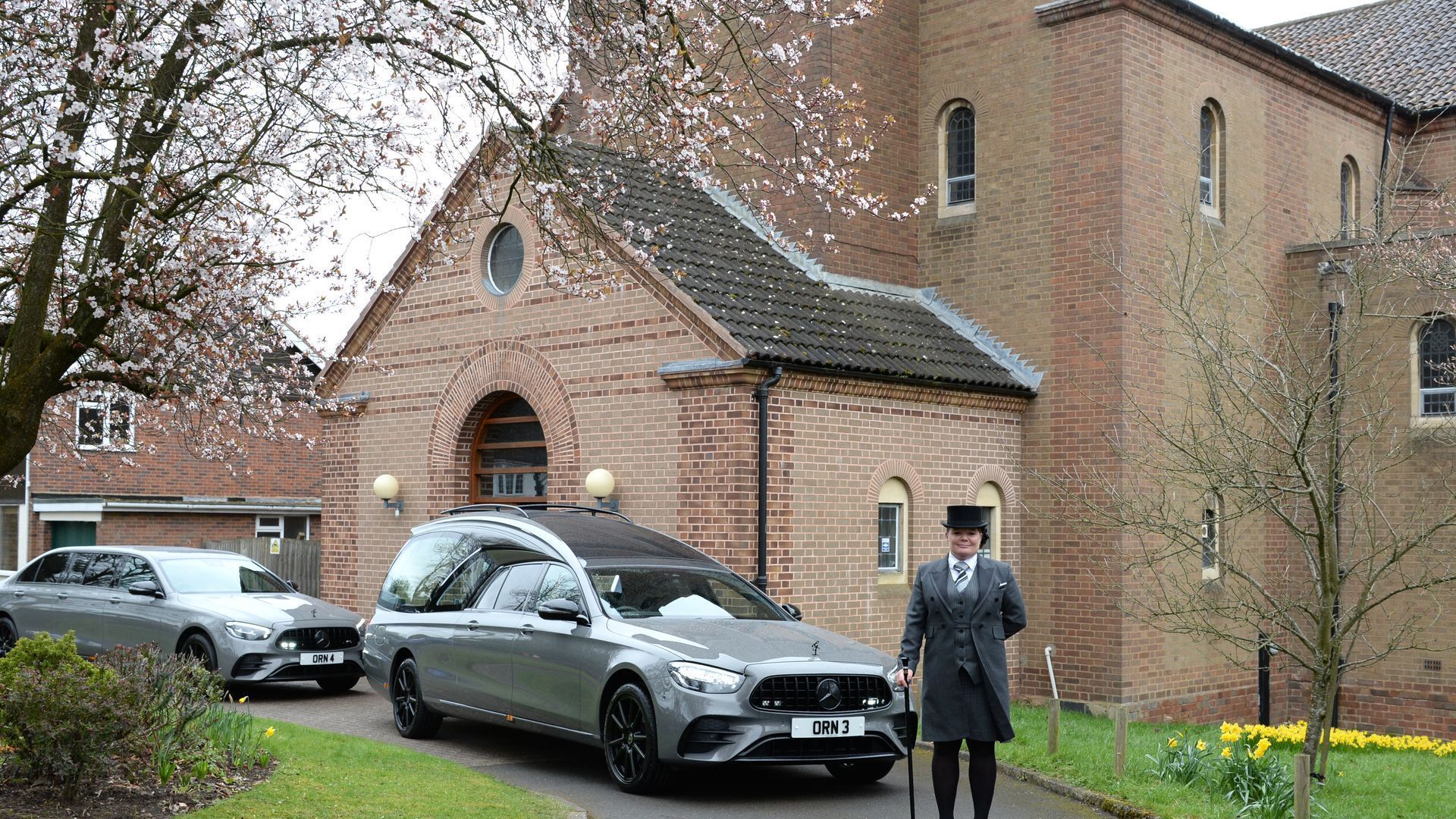
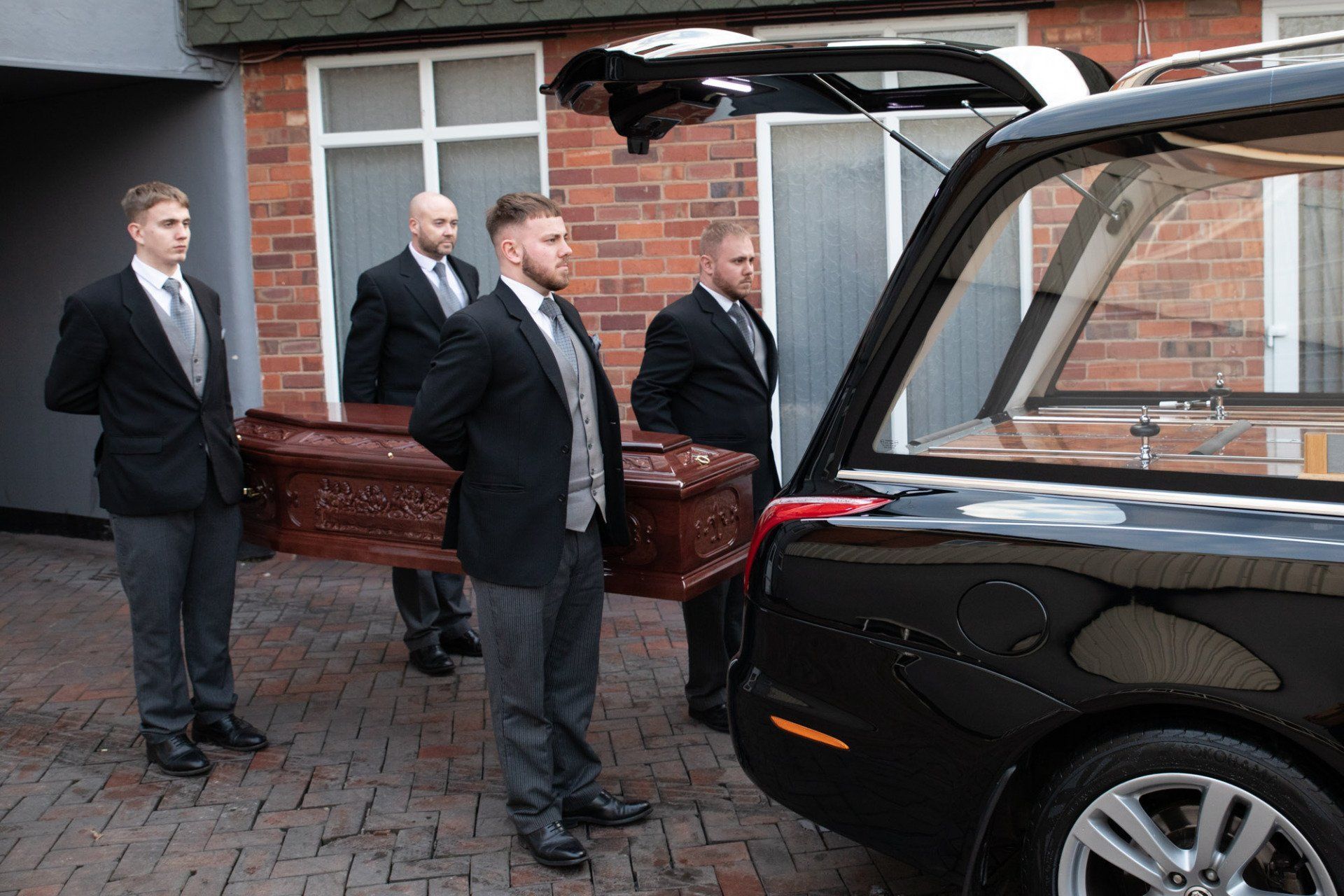
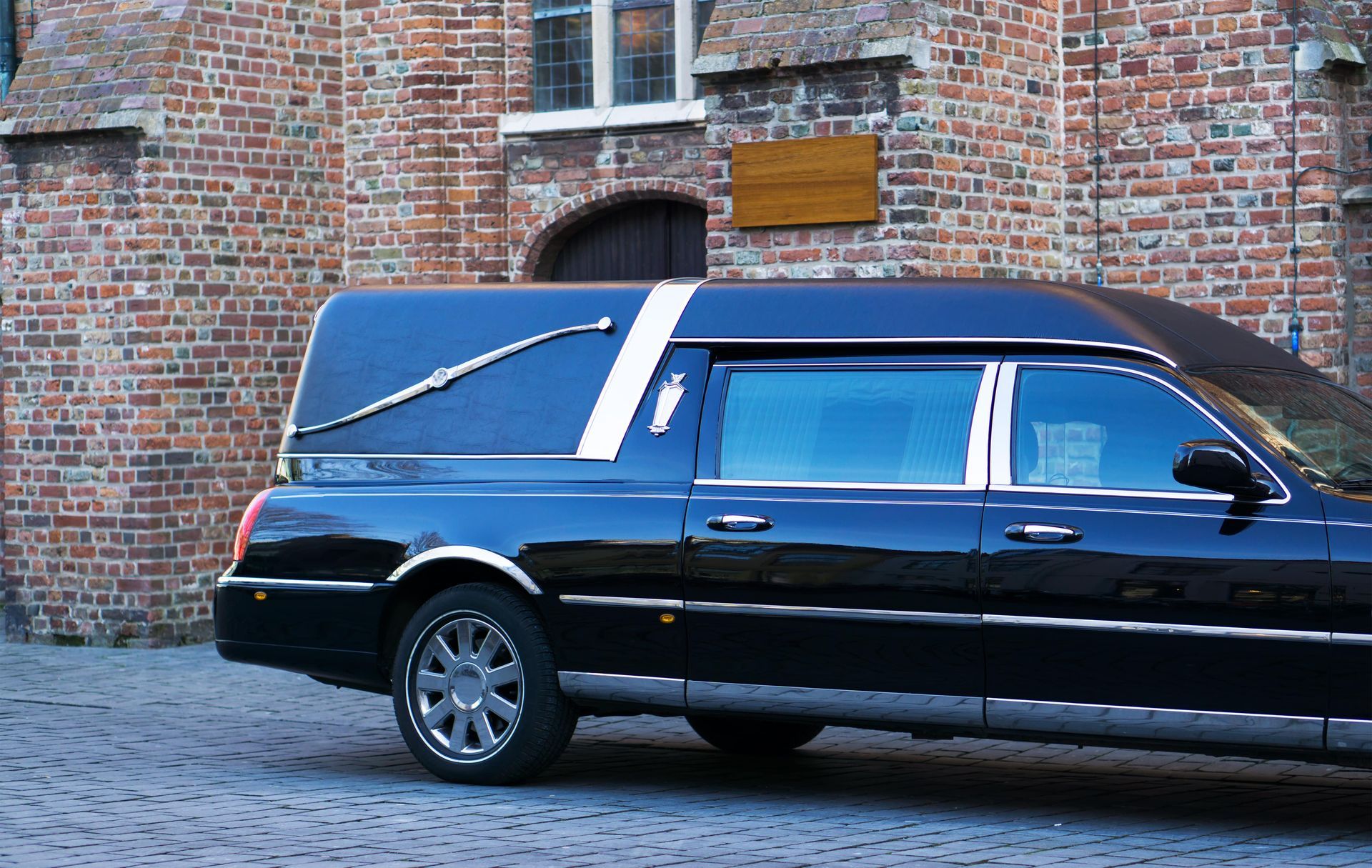
- Funeral vehicles
- Memory tables or keepsakes
- Charity donations instead of flowers
Small details often make the biggest difference and help create a service that truly reflects your loved one's personality.
6. Invite Family and Friends
Once the arrangements have been confirmed, you'll need to let family and friends know the funeral details.
You may choose to:
- Contact people personally
- Publish a funeral notice
- Share details online
- Arrange an order of service
Your funeral director can often assist with funeral notices and printed service booklets if required.
7. Plan the Wake or Reception
Many families choose to gather after the funeral to share memories and support one another.
This can be held at:
- A family home
- A local venue
- A hotel or restaurant
- A dedicated funeral reception suite
Whether it's a simple afternoon tea or a larger gathering, spending time together after the service can provide comfort during a difficult day.
8. Consider Funeral Costs
Every funeral is different, and costs will vary depending on the choices you make.
Factors that can affect the overall cost include:
- Burial or cremation fees
- Coffin selection
- Funeral vehicles
- Flowers
- Order of service printing
- Venue hire
- Catering
- Additional personalised touches
A reputable funeral director will explain all costs clearly and help you create arrangements that suit your wishes and budget without unnecessary pressure.
Can You Plan a Funeral in Advance?
Yes. Many people choose to make funeral arrangements before they are needed.
Planning ahead can:
- Record your personal wishes
- Reduce difficult decisions for family members
- Provide reassurance for loved ones
- Help avoid uncertainty during an emotional time
Pre-arranging a funeral allows you to think carefully about how you would like to be remembered while giving your family peace of mind.
How a Funeral Director Can Help
Many people worry they'll need to organise every detail themselves, but an experienced funeral director will guide you through the process from beginning to end.
At Gaunts of Wollaston, we provide compassionate, personalised funeral arrangements tailored to every family. From the first phone call through to the day of the funeral, our dedicated team is here to offer practical support, clear guidance and respectful care, helping you create a fitting tribute that honours your loved one's life. We are available 24 hours a day, 365 days a year to support families whenever they need us.
Frequently Asked Questions
How soon after someone dies should you arrange the funeral?
Most funerals take place within one to three weeks, although this can vary depending on family wishes, availability and whether further investigations are required.
What if my loved one didn't leave any funeral wishes?
If no wishes were left, your funeral director can help you and your family make decisions that reflect their personality, beliefs and values.
Can I personalise every part of the funeral?
Absolutely. Modern funerals can be tailored with personalised music, readings, flowers, transport, keepsakes and other meaningful touches to create a unique farewell.
Do I need a funeral director?
While it is legally possible to arrange a funeral yourself, many families choose to work with a funeral director for practical guidance, legal support and compassionate assistance during a difficult time.